Services · Platform & Operations
Data Engineering and Analytics
The data foundation the AI work depends on
What this is
What data engineering and analytics covers
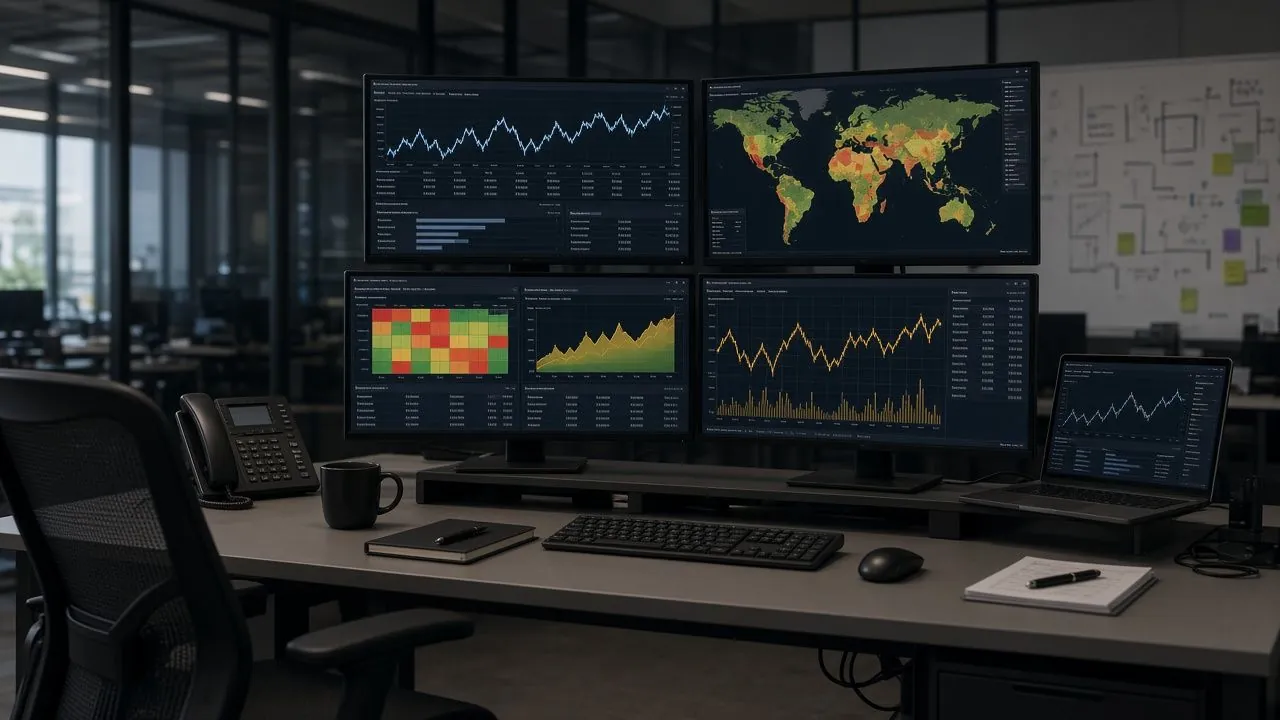
Data engineering for teams whose AI use case stalled on data access: pipelines that do not exist, warehouses with unclear ownership, or metrics nobody trusts. We build the ingestion, modelling, and quality layers that agents and retrieval systems read from, and the analytics surfaces that let operators ask questions of the data in plain language with results traced to source tables.
Typical timeline: 6–14 weeks
Who hires us for this
- Heads of data and analytics engineering with a backlog of AI requests blocked on pipelines
- Operations leaders who want weekly market, lead, or exception reporting without manual spreadsheets
- Finance and risk teams that need audited metrics before a model touches them
Problems we get hired for
What usually goes wrong before we are called
The AI pilot needs data that is not in the warehouse
We build the ingestion and modelling for the specific tables the use case needs first, with tests and ownership, rather than a multi-year platform programme.
Two dashboards, two numbers
A semantic layer with defined metrics and lineage so every consumer, human or model, reads the same definition.
Analysts spend the week assembling the report
Scheduled pipelines produce the weekly pack; a natural-language query layer answers follow-ups with the SQL shown. The revenue intelligence case study replaced a manual weekly process this way.
How the engagement runs
Steps and the artifact each one produces
- 01
Source audit
Systems, owners, refresh cadence, and quality of each source the use case needs.
Artifact: Source inventory and ownership map
- 02
Pipelines and models
Ingestion, transformation, tests, and documentation for the required tables.
Artifact: dbt or Spark models with tests
- 03
Semantic layer
Metric definitions, lineage, and access rules that agents and BI tools share.
Artifact: Metrics catalog
- 04
Analytics surface
Dashboards, scheduled packs, and a natural-language query layer with SQL shown for audit.
Artifact: Reports and query interface
Stack
Tools we reach for
Chosen per engagement against your existing platform. Nothing here is mandatory; everything here has shipped.
| Ingestion | Airbyte · Fivetran · Kafka · Custom connectors |
|---|---|
| Transformation | dbt · Spark · Dagster or Airflow |
| Storage | Snowflake · BigQuery · Postgres · Delta Lake |
| Quality and lineage | Great Expectations · dbt tests · OpenLineage |
| Analytics | Metabase · Looker · Text-to-SQL with schema grounding |
What you receive
Deliverables
- Source inventory and ownership map
- Tested pipelines and data models
- Metrics catalog with lineage
- Dashboards and scheduled reports
- Natural-language query layer with SQL shown
Proof
Where this has run
Tech Services
Weekly Market & Lead Scoring Pipeline
Automated Monday briefing: weekly research from 3–4 hours down to ~20–40 minutes of review.
Weekly research time: 3-4 hours (manual) → ~20-40 minutes (review)
Financial Services
Proprietary Risk Framework Assessment: RAG Over Fine-tuning
RAG POC ~$40K vs ~$300K fine-tuning path: same validated quality band, overnight framework updates.
Build cost: ~$300K (fine-tuning) → ~$40K (RAG POC)
Products that ship inside this service
- Xenith Analytics · Plain-language questions over the warehouse, with the SQL shown for audit.
- Xenith Radar · Real signal on where AI and blockchain revenue is growing, not analyst opinion.
Engagement models
How we can be hired for this
| Model | Shape | Typical duration |
|---|---|---|
| Fixed-scope pilot | Defined workflow, defined integration points, defined exit metric. Priced as a project. | 4–12 weeks |
| Production retainer | Monthly capacity for evals, monitoring, model refreshes, and new workflows. Month-to-month. | 3+ months |
| Embedded pod | One architect plus two to four senior engineers working inside your repos and rituals. | 3–9 months |
Pricing and phase gates are described on How we work.
Questions buyers ask
Frequently asked questions
- Do we need a data platform before starting AI?
- No. You need the specific tables the first use case reads, with tests and an owner. We build those first and widen from there. Waiting for a platform programme is why many AI roadmaps stall.
- Is natural-language querying safe for finance data?
- When grounded in a semantic layer and shown with the generated SQL, yes. Queries run read-only against approved models; analysts verify the SQL before a number leaves the room.
- Which warehouse do you recommend?
- The one you already pay for, unless it blocks the use case. We have shipped on Snowflake, BigQuery, and plain Postgres; the modelling discipline matters more than the vendor.
When this is the wrong fit
- Enterprise-wide data platform programmes with no AI or reporting use case attached.
- One-off data migrations with no ongoing pipeline.
Next step
Send the workflow. We reply with an architecture sketch.
Describe the queue, the system of record, and who signs off today. First brief is free; NDA first if you prefer.